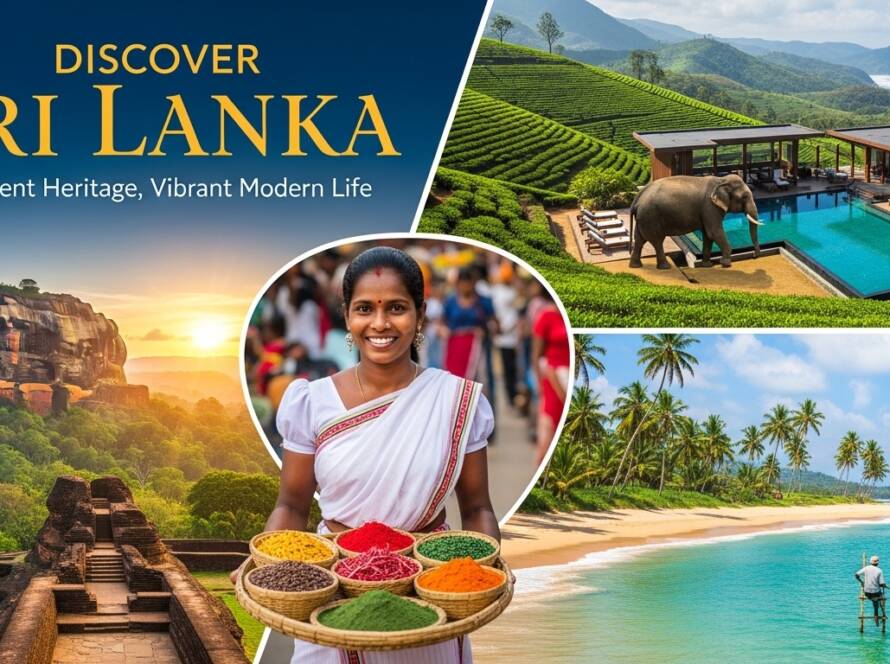
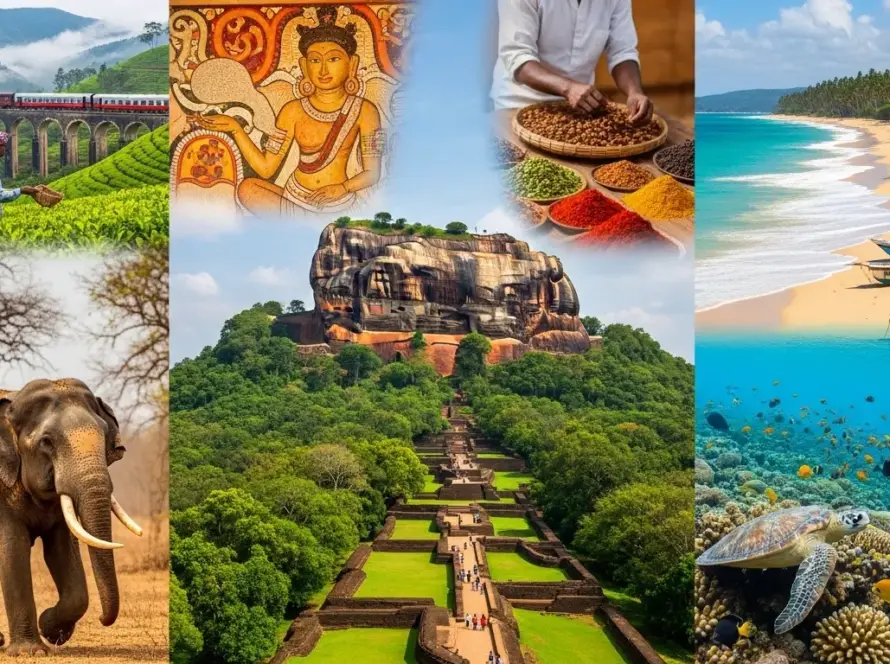
Sri Lanka tourism captivates millions with its blend of pristine beaches, ancient ruins, and wildlife adventures. This overview highlights key trends, regions, and tips for planning your 2026 trip to this island gem.
Tourism Growth Stats
Sri Lanka welcomed over 2 million visitors in 2025, rebounding strongly post-pandemic and economic challenges, with tourism contributing 12% to GDP. Key drivers include affordable luxury, eco-adventures, and cultural immersion; arrivals peak December-March during dry season. Whale-watching tours and tea trail hikes draw Europeans and Indians, while new visa perks like extended stays boost long-term stays.
Best Time to Visit
December to March offers sunny skies island-wide, ideal for beaches and safaris; avoid May-October southwest monsoons.
Northeast dry season runs May-September for east coast surfing. Shoulder months (April, November) mean fewer crowds and lower prices perfect for Kandy-based explorers near hill country gems.
| Region | Top Experiences | Ideal For |
|---|---|---|
|
South Coast |
Whale watching in Mirissa, surfing Unawatuna |
Beach relaxers |
|
Hill Country |
Scenic train to Ella, tea plantations Nuwara Eliya |
Nature lovers |
|
Cultural Triangle |
Sigiriya Rock Fortress, Anuradhapura ruins |
History enthusiasts |
|
East Coast |
Arugam Bay surf breaks, calm beaches |
Adventure seekers |
|
North Central |
Yala & Wilpattu National Parks safaris |
Wildlife spotters |
Emerging Trends
Ayurveda wellness retreats surge in popularity, alongside sustainable tours in Sinharaja Rainforest. Surfing hubs like Weligama offer beginner lessons, while luxury trains like Rovos Rail add glamour. Post-2025 infrastructure upgrades, including expanded Mattala Airport, ease access for remote spots.
Planning Tips
Budget $50-100 daily; fly into Colombo (CMB), use trains/ buses or van/car for scenic routes. Get ETA visa online ($50), SIM at airport for data. From Kandy, day-trip to nearby Knuckles Range hikes or cultural shows.